By: Muhammad Muzzamil
Pakistan, a country blessed with stunning landscapes—white summits of Karakoram to Indus plains green—is confronted with a threat to its existence from climate change. Despite producing less than 1% of global greenhouse gas emissions, Pakistan is one of the world’s most climate-exposed nations. The Clean and Green Pakistan program, initiated by the Government of Pakistan in 2018, is a visionary and strategic move towards addressing this crisis. The program is to conserve the country’s environment and realize a sustainable future by encouraging afforestation, green urbanization, and mass awareness.
The Clean and Green Pakistan Initiative
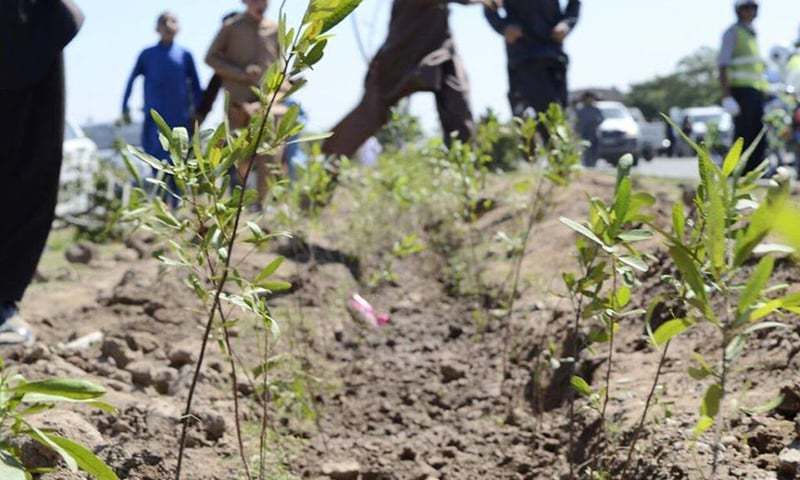
Clean and Green Pakistan is a clean and comprehensive environmental initiative based on five strong pillars: afforestation, waste, clean drinking water, sanitation, and renewable energy. Its banner project, Billion Trees Afforestation Project in Khyber Pakhtunkhwa, was a colossus project that provided more than one billion trees by 2018 and was appreciated internationally by the Bonn Challenge. To follow is the Ten Billion Tree Tsunami, which promised to promote ten billion trees in Pakistan by 2028 and, to date, has planted more than two billion as of 2024, based on the Ministry of Climate Change. The programs restore Balochistan and Gilgit-Baltistan’s devastated ecosystems, improving carbon sequestration and biodiversity.
Through the tree plantation program, environmental issues in urban areas like cities are also addressed. Karachi and Lahore, whose air quality typically exceeds perilous thresholds—Lahore recorded a greater than 300 Air Quality Index in November 2024—are instituting strong car emissions and waste-to-energy initiatives. The initiative also encourages community clean-up drives and plastic use reduction drives with more than 500,000 volunteers in 2024 alone, as the Pakistan Environmental Protection Agency attests. The move indicates Pakistan’s dedication to sustainable development in the wake of swift urbanization.
Climate Change: A Growing Menace
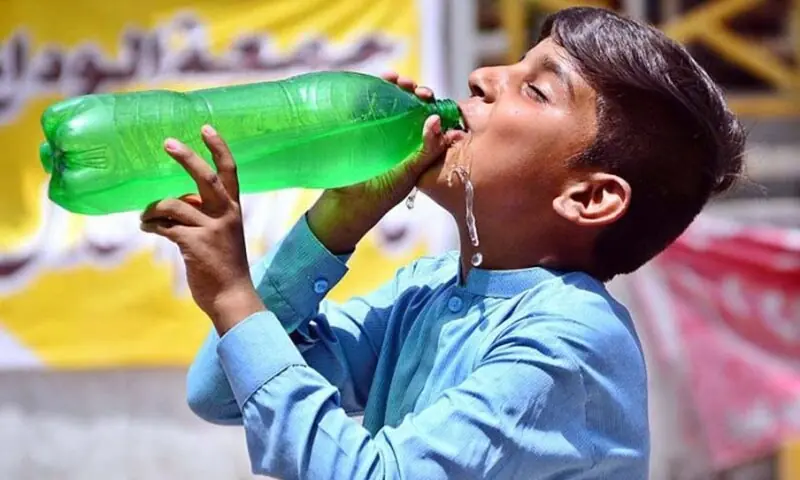
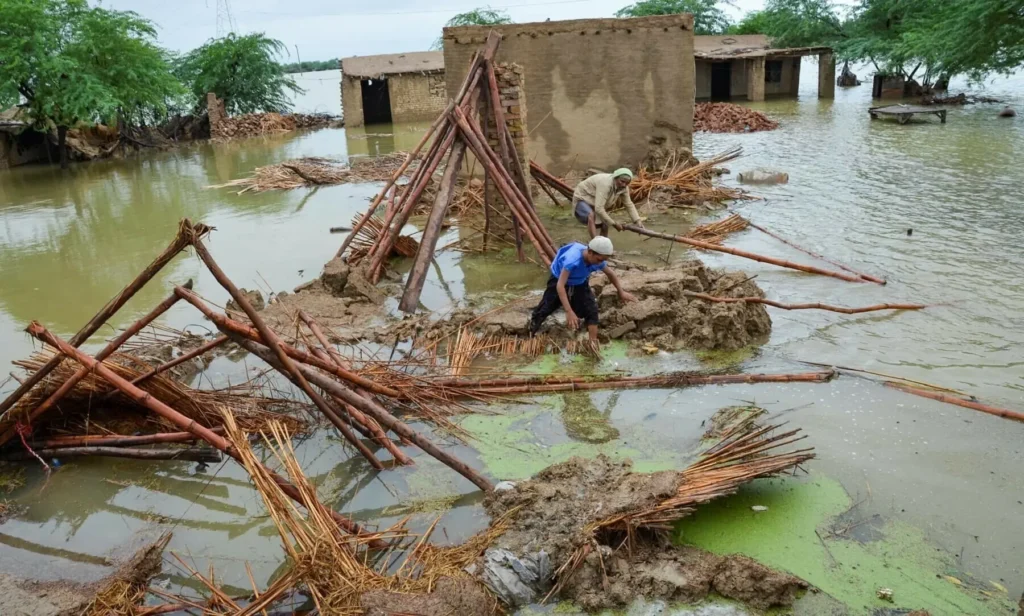
Pakistan’s vulnerability to climate change is starkly apparent. The 2022 floods, which the UN has labeled a “monsoon on steroids,” submerged one-third of Pakistan, displaced eight million individuals, and inflicted economic losses of more than $30 billion, as stated by the World Bank. Increasing temperatures, such as the recent 50°C heatwaves experienced in Sindh, endanger agriculture, which is the livelihood of 40% of Pakistan’s labor force. Unprecedented melting of the Himalayan ice, including the Hunza Valley glaciers, endangers water security for 200 million people relying on the Indus system.
Deforestation increases these concerns. As a result of decades of land use and forest clearance, forest cover in Pakistan dropped to less than 5% of its surface area, which erodes natural protection against flooding and erosion. Urban air pollution, fueled by industrial and motor vehicle emissions, represents a public health crisis, with more than 200,000 premature deaths each year from air pollution, according to a 2023 Lancet report. The results affirm the need for mainstreaming climate resilience in national policy.
A Coordinated National Response
Clean and Green Pakistan is founded on social responsibility. The campaign has engaged different stakeholders, from villagers’ farmers planting mangroves along the Sindh coastal belts to urban youth participating in clean-up campaigns in Islamabad. Schools are integrating environmental conservation into their curricula, with over 10,000 schools participating in eco-awareness campaigns in 2024. As per provincial reports, Punjab women’s cooperatives have led the recycling campaign, cutting plastic waste by 15% in affected communities.
However, more deeply rooted issues are at hand. Pakistan’s fossil fuel-based energy sector accounts for 50% of national emissions. A shift to renewable energy sources like the 1,000 MW Quaid-e-Azam Solar Park at Bahawalpur is necessary. Still, it entails monstrous investment—waste management infrastructure trails behind population growth, particularly urban growth. There is an urgent need for external assistance, with Pakistan looking to use climate finance through sources like the UNFCCC’s Green Climate Fund to aid adaptation and mitigation.
The Way Forward
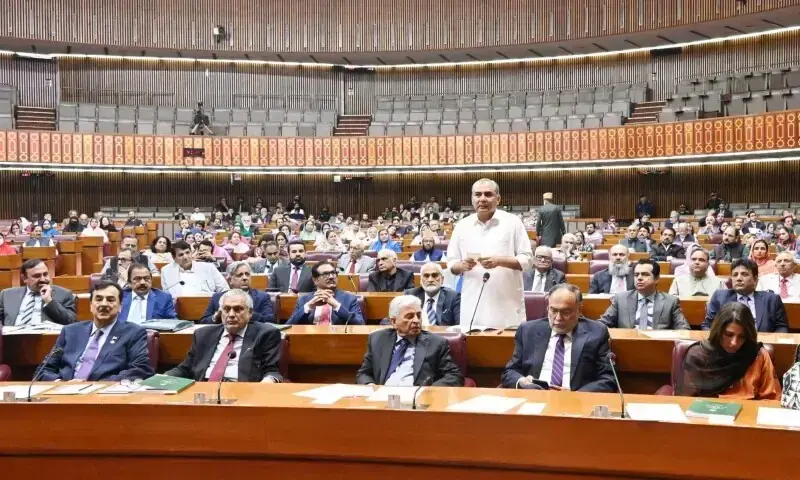
Clean and Green Pakistan is a dream that needs to be pursued. Green infrastructure, like solar and wind power, which currently accounts for a paltry 7% of Pakistan’s energy basket, has to be given the highest policy priority by policymakers. To minimize waste to the barest minimum, companies must implement sustainable systems, like circular economy systems. They can contribute their share by phasing out single-use plastic, saving water, and joining local conservation initiatives. The youth, who comprise over 60% of Pakistan’s population, are the force of change, leading the charge to a greener future.
Pakistan is at a juncture. Clean and Green Pakistan is not just an environmental agenda but a nation’s appeal to save lives, sources of livelihoods, and national heritage. At a time when global temperatures rise and climate manifestations grow stronger, Pakistan’s pledge to create a resilient, sustainable future must remain unyielding. Let every tree planted, every river cleaned, and every policy implemented be a step towards a cleaner, greener, and more resilient Pakistan.