BY: FARAZ AHMED CHANDIO
A decade after the Paris agreement, the world is still talking and still warming. The world has polished it’s pledges, added summits, and made new speeches. But behind the choreography of climate summits is the indication of climate negligence showing that the world has still not innovated with science, solutions, or the bold morality the world has lacked to save the climate.
The Paris treaty was supposed to be a different. The treaty was to be a responsibility-sharing treaty with the world promising to keep the global average temperature rise to well below 2 C and striving for 1.5 C. But now, a decade later, the promise is still not kept and has been unraveling because of the world, dead set on political convenience, inadequate financing, and a world at war. And this is a massive divide between words and reality.
Climate treaties are not done for nothing, they create expectations. Legally and point of view, they take on the dedication of common but differentiated responsibilities at the UN Climate Convention. Legally stated, this was the basis for the Kyoto Protocol. Paris watered down the categories, but retained the ethical part of responsibility for those that act for the climate. This principal still stands today and so the world stands naked, with inadequate climate action.
In sub-Saharan Africa, for instance, the cost of coping with the adverse effects of climate change is projected by the United Nations to exceed $300 billion annually by the early 2030s, with climate finance at barely $26 billion this year. This is not a funding gap. It is a moral chasm.
In the same year, global military spending reached $2.4 trillion. It clearly illustrated that once a government has made military spending a priority, funding is no longer a problem, Whether a government funds a flood barrier and heat-resistant cities or not changes nothing. It is the value systems that the government prioritizes that determines what it funds.
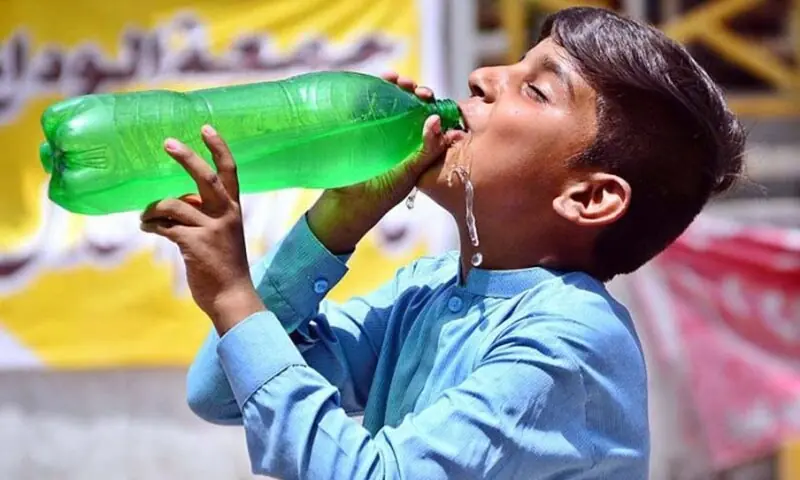
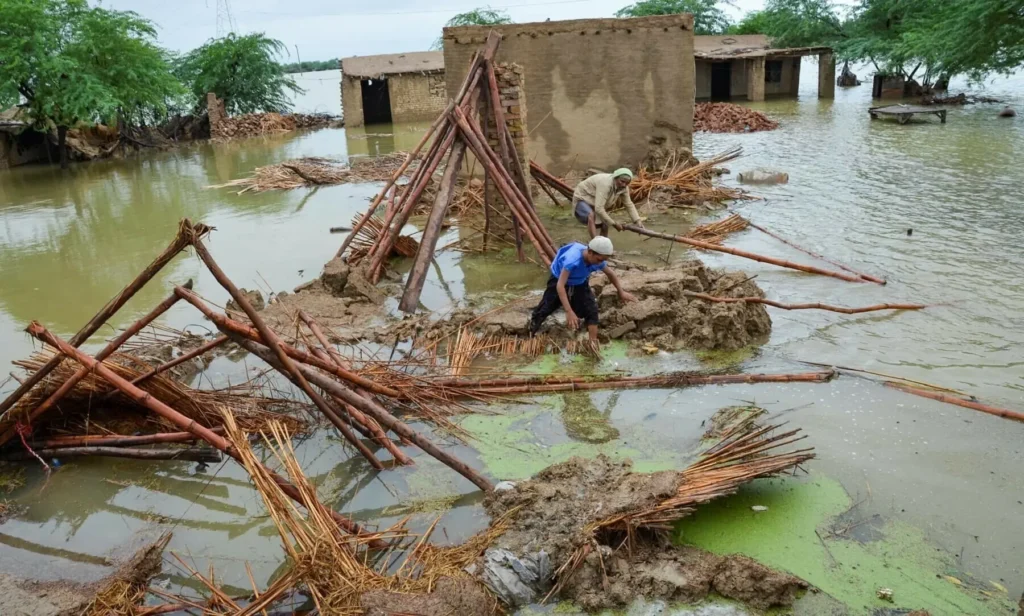
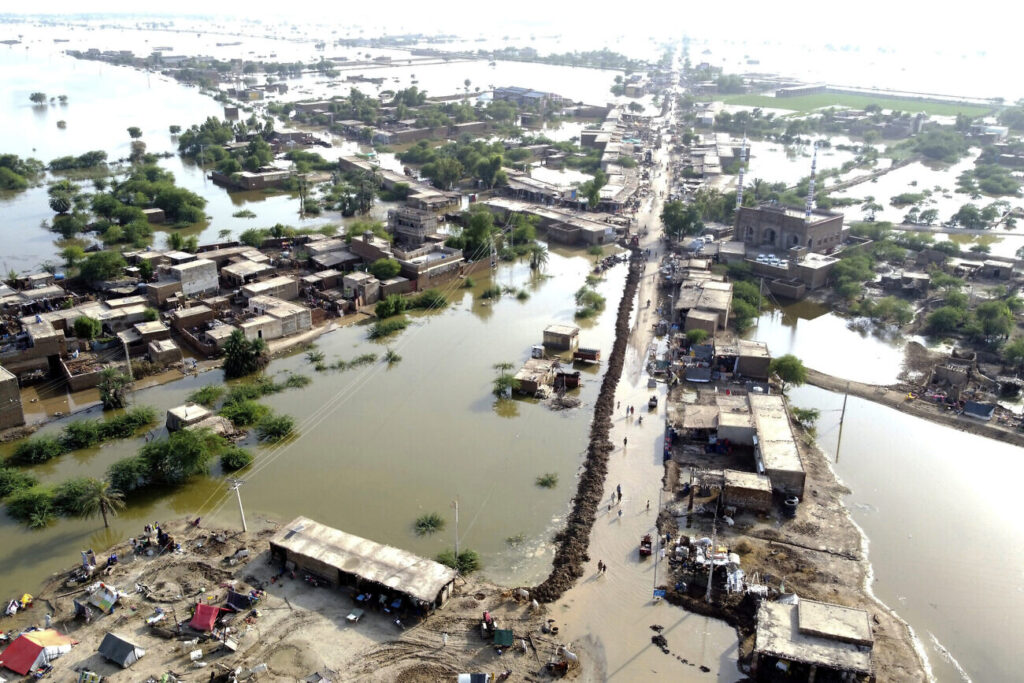
The effects of the choice made above are apparent. In South Asia, floods arrive with the monsoon season and destroy whatever little has been built while recovery funds arrive. This has been the situation in Pakistan. Monsoon season and unrelenting heat has been the unrelenting weapons of climate change that has obliterated the infrastructure, agriculture and public health systems of the country. It is a decision from the wealthy countries not to act. When keeping the world’s temperature down to 1.5 degrees centigrade is just within reach, the delay by wealthy nations is no longer ignorance. It is a choice.
What is happening? Sensorial fuel focus is still in the policy mix. Populist rhetoric in short electoral cycles tends to reward postponement versus change. Climate finance that predominantly relies on loans, means that the most vulnerable nations go even further down the rabbit hole of debt. At the same time, wars and geopolitical tensions continue to overshadow the urgency of climate action, while reinforcing the dangerous belief that we can still be secure on a planet that is becoming more and more unstable.
While these may be explanations of the failures, these do not justify a lack of action. Time and time again, we see government authorities claiming that there is a lack of money to implement an action, except when there is money and an action is politically expedient.
A large-scale increase in grant-based funding — as opposed to loans — is not a complicated proposal for the future. Funding for loss and damage must be backed by finance that is predictable and additional, and must operate fully. Multilateral development banks must liberalize their concessional lending, remove the more punitive elements, and tie debt for climate resilience to the provision of concessional loans. New streams of revenue, which can include a windfall tax on the profits of fossil fuel companies and a targeted reallocation of military budgets, are not radical proposals, but are fully justified in the context of an existential threat.
Equally important is accountability. Climate finance must be built with community needs (not the needs of the donor) at the center, and the financing must be transparent, based on the community’s rights, and adaptable to the needs of the community. Promises must be tracked against the actions undertaken to cement the commitments. Wording alone does more than simply create disappointment; it creates a trust deficit in the global system.
As the world edges to 1.5°C increase, the focus needs to be on 2°C increase. By 2026, a global leader’s choice is a pivotal one; whether to treat climate change as a peripheral issue or to center it as the primary issue of justice, security, and survival.
Lack of capital and technology is not the world’s problem; the world’s problem is the lack of willingness to restructure budgets to support survival. Paris was more than just a set of technical agreements; it was a statement of ethos on our collective humanity and the inequitable burden share. When rich countries support wars with no moral hesitation, but postpone climate commitments, they are making a choice.