BY: FARAZ AHMED CHANFIO
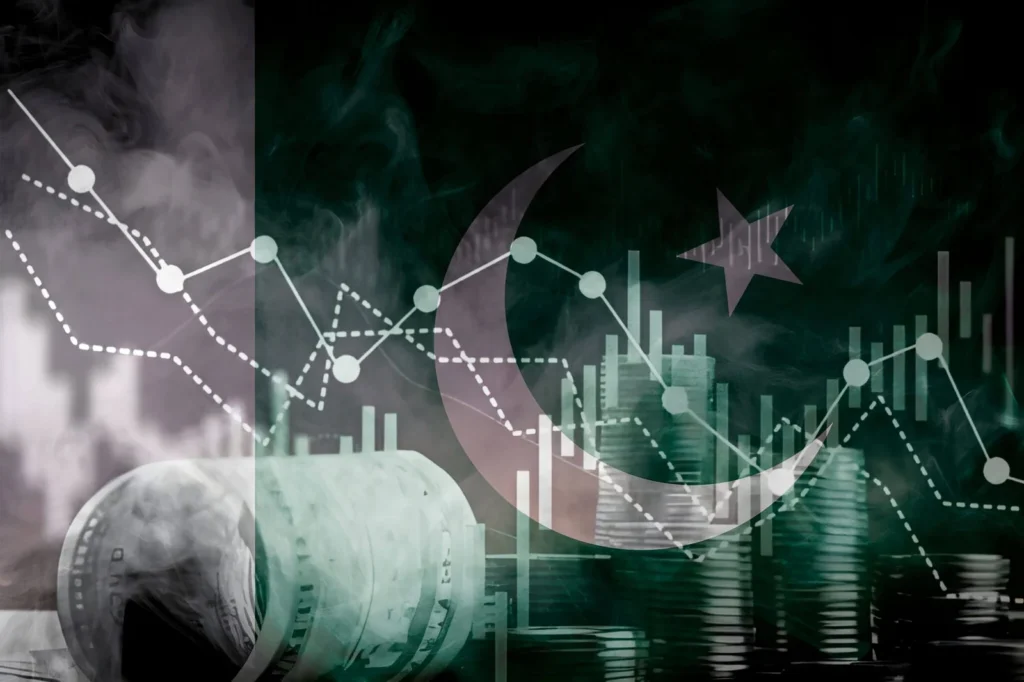
For Pakistan, climate change is no longer a speculative concern; it is an unfolding economic reality that has a multi-sectoral impact on the economy, from agriculture, energy, and health to infrastructure and trade. The issue, therefore, is no longer whether climate change impacts Pakistan’s economic growth potential; rather it is whether the country will be able to prepare for and manage the challenges and opportunities that lie ahead.
There is something unique about the economy of Pakistan that makes it highly vulnerable to the impacts of climate change. Most economic activity and, therefore, employment is agrarian in nature, and agriculture is dependent on consistent rainfall and predictable water availability. With the increased variability of weather patterns, high temperatures, and more extreme events such as prolonged droughts and sudden floods, growers are experiencing increased temperatures and more extreme events. These changes are disrupting crop cycles, and yield and income volatility is increasing. The impact of climate change is not, however, limited to the agricultural sector. The effects are felt throughout the economy. When agriculture fails, food prices rise, rural poverty increases, and climate-induced migration compounds the problem by adding to an urban underclass.
The rapid changes in precipitation patterns have exposed the centrality of water scarcity in Pakistan’s economy. The country relies on the glacial melt and seasonal rains that supply the river systems, which nourish the irrigation, hydropower, and diverse industries. The glacial retreat and unreliable precipitation are making the water supply increasingly uncertain. Rivers that run low and are unpredictable threaten the productivity of the sector. This means more electricity generation, and drives up the interprovincial and intersectoral competition. Water insecurity is more than an environmental problem, it’s a productivity and a growth problem.
The strain of the climate is also impacting the energy sector. Extreme heat means more demand for electricity, which is also needed for cooling. This is often when the flow of the rivers is low and hydropower generation is constrained. Floods and storms disrupt the transmission systems and the outages cause a higher cost of business. The more the energy reliability declines, the less productive the industries become. Without an energy plan that can withstand the consequences of climate changes, Pakistan is on a path of more shortages, a higher cost, and less economic activities.
The economic vulnerability is further exposed by the expenses incurred due to climate related disasters. Floods destroy roads, bridges, schools and health facilities. This forces the government to use development resources for reconstruction. Severe droughts reduce agricultural income and tax revenue while increasing the need for emergency relief. Severe droughts also increase healthcare costs and reduce labor productivity, especially in the building and construction industries. The impacts of these phenomena accumulate in relatively unnoticed ways, so rather than representing in one dramatic event, these phenomena simply undermine economic growth.
Pakistan’s trade and fiscal adaptability is being affected by climate change. Agricultural exports have sketchy prospects due to fluctuations in yield and declines in quality. Livelihoods and fisheries affected by the industrial warming of the seas and further impairment of the ecosystem also result in negative impacts. In the meantime, increasing public deficits are the result of climate related disasters as dry spells and floods lead to loss of public finances due to the need for emergency relief. Unmet climate change needs will negatively impact the stability of the economy.
The impacts of climate change will bring losses, but we also have to think about how we can be strategically prepared for these challenges. Countries that adapt earliest will be able to protect the most livelihoods, avoid costs in the future, and create new opportunities for growth. For Pakistan, this means climate resilience has to be seen primarily as an economic opportunity, not as an environmental cost. Every development plan that does not incorporate climate risks is destined to fail.
We need climate risk to be incorporated in the agriculture sector, with a focus on climate resilient practices like small farmer support, improved seed varieties, diversified cropping, and better water management. Water governance needs to change so that we prioritize conservation, efficiency, and equitable use of water. Without smart urban planning that anticipates flooding and heat stress, as well as population growth, our cities will become economic liabilities rather than productive powerhouses.
An investment’s climate impact has to be considered. The economic impact of the infrastructure we build today will be felt for many decades. Roads, energy, housing, and dams will be designed for the climate of the past, not the one of the future. The costs of climate proofing infrastructure may be high, but the costs of disaster relief, replacement, and repair are even higher.
Given Pakistan’s low global emissions, international support and climate finance are critical, though external funding must not be seen as an override to domestic policy reform. The extent to which climate risk is integrated within fiscal policy, sectoral strategies, and development goals is the true indicator of preparedness. Adaptation spending should be seen as an investment rather than a cost, for it promotes economic certainty.
The biggest risk may be the postponement of these measures. Delaying action increases costs every year, increases the severity of impacts, and decreases the range of policy choices to be made in the future, which will ultimately deepens the level of inequality. The impacts of climate change will primarily affect the most disadvantaged, increasing the insurmountable gap between the wealthy and the poor, which will increased the social unrest. Pakistan’s economy cannot prosper and grow with the level of shocks and crises it is currently experiencing.
For the Pakistan economy, the time to act to avoid climate change and the economic shocks that are already prevalent is critical. It is not about predicting the disasters, it is about establishing a system that is resilient to these shocks, that protects people’s livelihoods and allows for economic growth. The future of Pakistan’s economy is on the line and how well the climate change challenges are addressed will ultimately determine the economic prosperity of the nation.