BY: FARAZ AHMED CHANDIO
Pakistan cannot afford to think of climate change as a problem of the future. Every day, it is rewriting the country’s balance sheet—through destroyed assets, lost work hours, higher food prices, and increased fiscal stress. Understanding and addressing climate change’s impact on the country’s economy is the easy part. The hard part is how quickly Pakistan is able to execute a pivot to `”redesign”‘
The price tag is no longer abstract.
Let’s examine the event that transformed \”climate risk\” into a quantifiable line item: the ’22 floods
Pakistan’s official Post-Disaster Needs Evaluation states the disaster resulted in \$14.9 billion in damages and \$15.2 billion in economic loss, with \$16.3 billion required for rehabilitation and reconstruction.
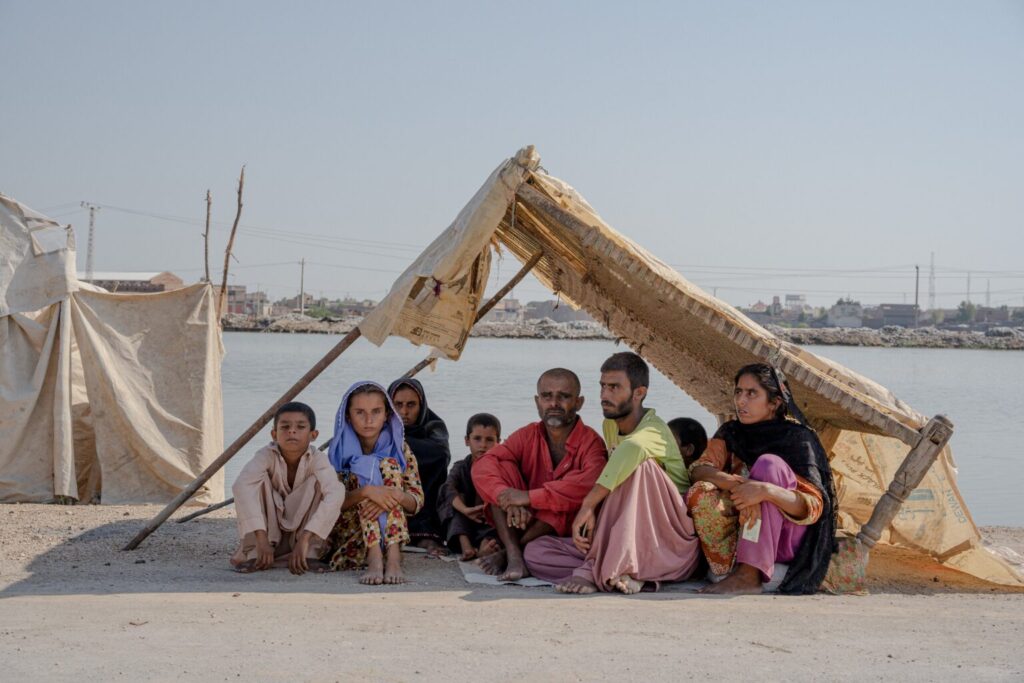
That report also documented the impact on people: approximately 33 million people were affected and greater than 1,700 were killed.
Economically, these reports matter for a myriad of reasons. Floods do not only collapse roads and homes. They collapse supply and demand chains, taxation, and household finances. When a bridge is destroyed, the cost of transport increases. When farmland becomes flooded, food prices increase. When people lose money, their spending and the economy shrinks.
The economy is also getting used to the idea that what happened in the past is going to happen again and again but with more intensity and with recourses getting scarcer in future.
The economy getting used to the relentless rise of flooding and the impacts of the relentless rise of productivity crippling heat.
The economy of the country is highly dependent on informal employment . most of it being in construction and transportation, and the economy is informal economy of the country is also dependent on the heat. The temperature in the country is now highly dependent on how much heat is in the country now. The economy is dependent on the temperature now. The economy is now being dependent on the temperature in the country, and the temperature is also highly dependent on how much heat is in the country. The economy is highly dependent on how much temperature is increasing. The economy is now also being dependent how much temperature is now also being dependent and how much heat. The heat is now also being dependent and how much temperature is in now. The economy is dependent now on the temperature of the country. The economy is now being dependent on the temperature being increasing. The economy of the country is using the temperature. The country is using the temperature now. The temperature is also being dependent on how much the economy is now being dependent and how much the temperature is now. The economy is dependent how much the temperature is now being used. The economy now being dependent on the temperature. The economy is now dependent on how much heat.
The country also does not have the ability to just trade away sectors of the economy. The economy of the country is also dependent.
Surveys done by the Government of Pakistan and by international organizations, put agricultural output at about 23-24% of the GDP; the agricultural sector employs about 37% of the total workforce.
This means that the impact of climatic disturbances in agriculture is certainly beyond the rural sectors, and include the following:
- Food insecurity (given that food constitutes a major part of consumer expenditure, there is a direct linkage to inflation)
- Exports (textile industry reliant on cotton; rice production reliant on irrigation water)
- Industry (supply chains and agro-based industries)
- Debt and poverty (due to the need for borrowing for inputs such as seed and fertilizer, this is a particular concern for smallholder farmers)
When rivers are swollen with flood water and crops are damaged, when excessive heat damages crops and livestock, the impact on the macro-economy is tremendous. In these situations food inflation becomes a problem of governance, a problem of low wages and increased expenditure by the state to provide food subsidies
The danger in these types of statements is that they are a blunt statement and they indicate that these types of events jeopardise the very process of economic growth.
Even though the short-term effects are already very expensive; the long-term effects are even more dangerous.
If we do not take action the Pakistan Country Climate and Development report will be a reality. Without intervention it predicts that by 2050, extreme temperatures, environmental degradation, and air pollution will collectively reduce Pakistan’s GDP by 18-20%.
Of the same countries, the same report shows that the effects of pollution alone leads to a 6.5% annual loss in GDP, a reminder that “climate resilience” and “environmental health” must be seen together.
At the same time, ADB reviews done concerning the region cite steep downside risks under high-emissions pathways. Reporting approximately 21.1% GDP loss for Pakistan by 2070 under high-end emissions scenario is cited from ADB’s climate reporting.
Even if you debate the exact percentage, directionally the message is clear: climate change threatens to compress Pakistan’s future economic ceiling.
Preparedness: where Pakistan is exposed
Pakistan’s preparedness gap is not a single gap. It’s a system problem. Here are the pressure points where climate risk becomes economic risk:
- Cities built for yesterday’s weather
Urban flooding, heat islands, and overburdened drainage are not just “municipal” issues; they are a commercial barrier. They destroy commercial stocks, increase health costs, and net working days lost. When a city like Karachi stalls, the national GDP also stalls
- An energy system that can’t fail gracefully
The heatwave is the first driver of increased cooling demand, which then strains the grid, and then system outages, and then productivity collapses. A resilient grid is now an economic adaptation tool, not just an infrastructure upgrade.
- Water as the hidden macro variable
Pakistan’s water availability is already politically sensitive and economically central. Shifts in the timing and intensity of rainfall mean imbalances between the irrigation that is needed and the irrigation that is supplied. This means greater risks to food security and the reliability of hydropower.
4) Fiscal responsibility
Emergency spending due to climate catastrophes and resultant deficits lead to more borrowing. This is an issue when inflation is high and so are external financing constraints. The reconstruction needs from the 2022 floods illustrate how quickly the costs escalate.
5) Low insurance coverage and high informal exposure
Recovery when businesses and households are not insured is slower and more unequal. After a shock, this leads to extended periods of low consumption and investment.
What “being prepared” should look like — economically
Preparedness is not just a matter of slogans. These are a matter of budgetary choices, regulations and incentives. The priorities are practical. If Pakistan is to have climate resilience that translates into productivity, exports, and employment:
Protect productivity from heat: enforce heat-safe work standards, expand cooling shelters, rework and redesign school/work schedules during extreme heat, and invest in reliable power for cooling and industry (because lost labor hours are lost output).
Mitigate the climate brittleness of agriculture: invest in climate-smart seed systems and water-efficient irrigation, improve crop zoning and livestock heat management, and establish post-harvest cold chains.
Cease the practice of rebuilding the same vulnerabilities: flood-resilient roads and bridges, drainage, and zoning—because rebuilding without resilience simply locks in the next disaster bill.
Treating air quality as economic policy means that pollution’s GDP costs will make clean transport, industrial controls, and urban planning growth strategies, not “nice-to-haves.”
Financing resilience like infrastructure means blending public and private funds, fortifying catastrophe-risk financing, and expanding crop and disaster insurance—so that shocks do not automatically fiscal crises.
So—are we ready?
Pakistan is not starting from scratch. There are climate plans, disaster-response frameworks, and rising public awareness. However, judging economic outcomes suggests that preparedness remains far slower than the threat.
With floods that can cause tens of billions in damages and heat that can wipe out billions of work hours, the old approach—react, borrow, rebuild—no longer makes sense as a strategy. It becomes a trap.
Pakistan’s economy is already being reshaped by climate change. The remaining choice is whether it will do so in a planned manner, or allow disasters to do the planning for it.