
BY: SANJAY KUMAR
According to a study by the Climate Impact Lab, Pakistan is facing a severe climate-driven health emergency, with a projected net increase of 51 deaths per 100,000 people by 2050. This highlights a staggering global inequity: while low-income and high-income countries will have roughly equal populations by mid-century, lower-income nations will account for 90% of premature climate deaths. In fact, ten times more people (391,000) are expected to die annually in these regions compared to wealthier nations (39,000). Pakistan and Burkina Faso are projected to be the hardest-hit countries, with heat-related mortality in Pakistan expected to exceed current death rates from tuberculosis, stroke, and chronic respiratory diseases.
The crisis is particularly acute in Pakistan’s urban centers. Eight Pakistani cities—including Faisalabad, Lahore, and Islamabad—rank among the top 15 most vulnerable cities in low- and middle-income countries. The disparity is stark: while a wealthy city like Phoenix may see 600 additional annual deaths, Faisalabad alone is projected to lose 9,400 lives. Experts warn that these deaths are a direct result of a lack of “adaptation finance.” While Pakistan requires $152 billion for adaptation by 2030, current budget allocations remain insufficient, often focusing on agriculture rather than urban heat resilience.
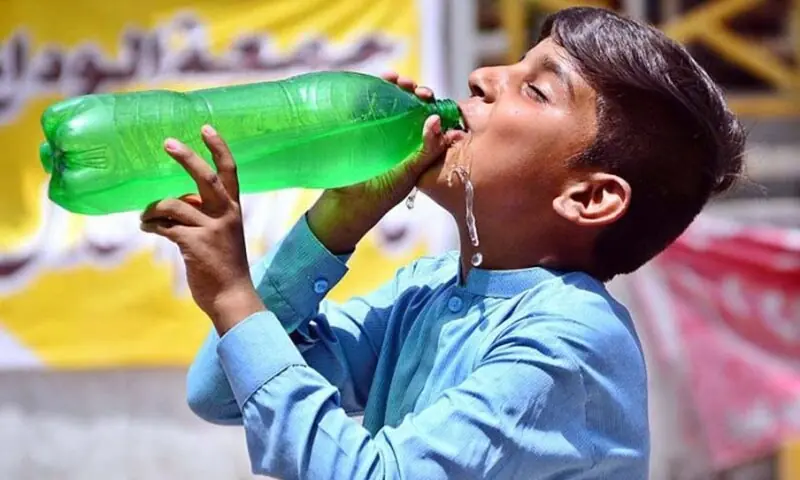
Local scientists, including Dr. Mariam Saleh Khan, argue that these figures may even be “lower estimates” because Pakistan lacks a robust mechanism for recording heat-related deaths and its National Adaptation Plan is scientifically underdeveloped. Beyond the human toll, the extreme humid heat threatens to exceed the limits of human survivability, posing a massive risk to the economy and outdoor labor sectors like construction. Ultimately, researchers stress that while economic growth can act as a shield—potentially reducing climate mortality by rates equivalent to eliminating global suicides—urgent global mitigation and massive increases in adaptation funding are required to prevent a localized catastrophe.