BY: SANJAY KUMAR
The Green Pakistan Initiative (GPI), established under Section 16 of the Companies Act, 2017, represents a transformative shift in Pakistan’s agricultural sector by moving from fragmented, traditional methods toward a mission-driven, corporate “operating system.” This not-for-profit platform converts underutilized state land into productive assets through strategic partnerships between provincial governments, investors, and farmers, while ensuring that land ownership remains with the state on a strict 30-year right-to-use basis. To ensure sustainable public growth, the initiative operates under a transparent revenue-sharing model where 40% is allocated to provincial governments, 40% to infrastructure development, and 20% to research and development. This structure effectively prevents speculative landholding and ensures that every acre contributes directly to national food security and export potential.
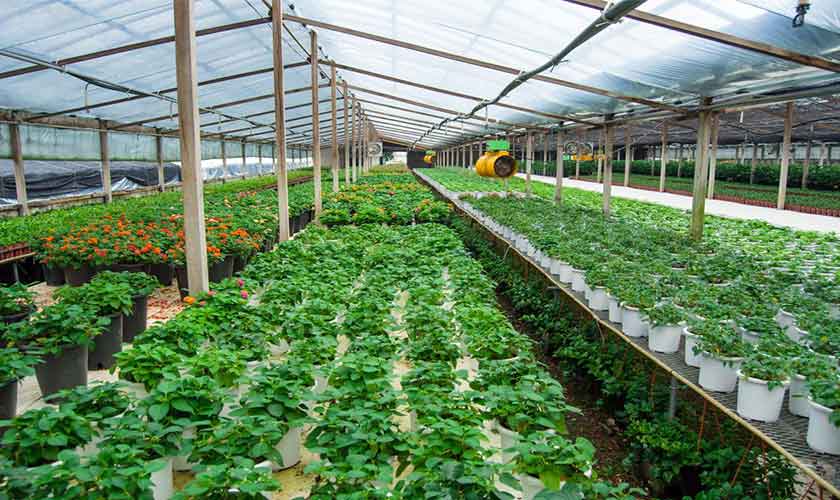
Since its launch in 2023, the GPI has achieved unprecedented scale by bringing over 116,000 acres of previously barren land under cultivation through 60 large-scale corporate farms. This transformation is powered by the Land Information & Management System (LIMS), which utilizes precision agriculture and satellite data to provide thousands of daily farm-specific advisories. Far from sidelining smallholders, the model is explicitly farmer-integrative, connecting them to a nationwide network of 38 Green Agri Malls and 100 FFC Sona Centres. These hubs provide essential access to quality seeds, affordable fertilizers, and over Rs 2.84 billion in agricultural loans. By combining modern machinery and drone technology with grassroots capacity building—including the training of over 8,000 officers and the creation of 65,000 jobs—the GPI is bridging the gap between traditional farming and high-tech, climate-smart productivity.
Beyond the fields, the initiative is driving deep structural reforms across the broader agricultural ecosystem, including the modernization of the livestock sector through IVF labs and tag-and-trace systems for 400,000 animals. It has also spearheaded seed sector overhauls via the Seed Amendment Act, resulting in the approval of over 200 improved crop varieties. Supported by strategic international partnerships with nations like China, Saudi Arabia, and the UAE, the GPI has already attracted over Rs 30 billion in committed investment. By focusing on value addition, export-oriented horticulture, and high-efficiency water conservation, the Green Pakistan Initiative is not merely an experiment in farming; it is a comprehensive economic strategy aimed at restoring farmer confidence and securing Pakistan’s demographic and climate future.