BY: FARHAN AHMED CHANDIO
For decades, climate change in Pakistan has been confined to conference halls, policy documents, and official rhetoric. Yet beyond these controlled spaces, a far more urgent and unsettling reality is unfolding. From the glaciers of the Himalayas and Karakoram to the floodplains of the Indus River, climate change is no longer a distant threat. It is an everyday experience. Farmers grapple with erratic seasons, cities suffocate under extreme heat, and fragile ecosystems edge toward collapse. Pakistan today stands on the front lines of a global crisis it did little to create.
Nowhere is this transformation more visible than in the country’s northern mountains. Home to some of the largest glaciers outside the polar regions, these icy reserves are melting at an alarming rate. Their retreat is not merely an environmental concern. It is a direct threat to the Indus River system, the backbone of Pakistan’s agriculture, hydropower, and water supply. As glacier melt accelerates, river flows have become increasingly unpredictable, shifting between scarcity and excess. At the same time, unstable glacial lakes pose an ever present danger. When these natural dams burst, they unleash devastating floods that wipe out homes, infrastructure, and entire livelihoods within moments.
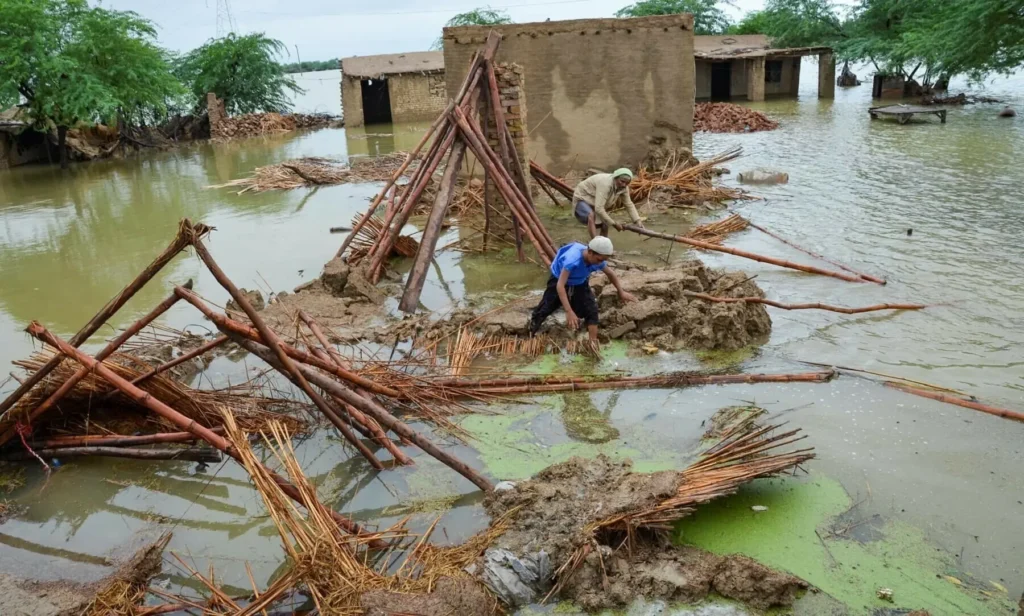
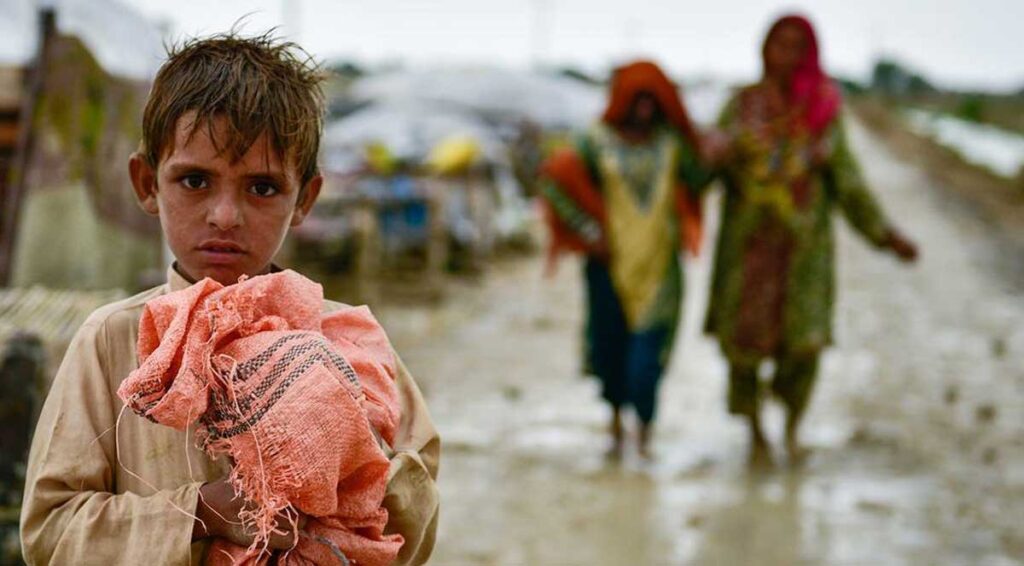
As these waters descend into the plains, the scale of destruction expands. The 2010 Pakistan floods remain one of the most catastrophic disasters in the country’s history, affecting over 20 million people and claiming more than 1,700 lives. More recently, the 2022 Pakistan floods submerged nearly a third of the country and displaced around 33 million people. Even outside such major disasters, seasonal flooding continues to erode resilience. For communities living along riverbanks, recovery is not a one time effort. It is a recurring struggle against a relentless cycle of destruction.
In contrast to these floods, large parts of Sindh and Balochistan are facing prolonged drought. Erratic rainfall and dwindling water sources have reduced agricultural yields, pushing already vulnerable communities deeper into poverty. Wells run dry, grazing lands disappear, and families travel long distances to secure basic water supplies. Here, climate change does not arrive as a sudden catastrophe. It develops slowly, steadily eroding livelihoods, nutrition, and dignity.
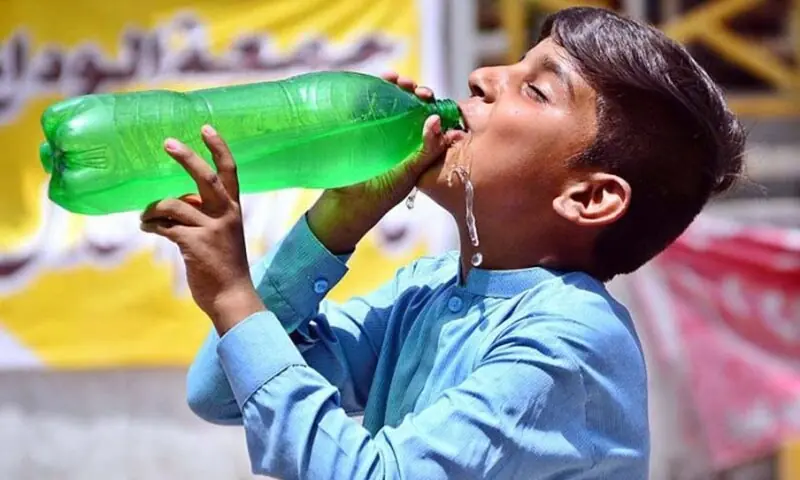
Adding to this crisis is the rise of extreme heat. Over recent decades, temperatures across Pakistan have increased significantly, with heatwaves becoming more frequent and more intense. Cities such as Karachi have experienced deadly heatwaves that overwhelm hospitals and disproportionately affect outdoor workers and the elderly. In Lahore, high temperatures disrupt daily life and strain already stressed energy systems. Beyond human health, extreme heat damages crops, increases electricity demand, and amplifies economic losses.
The impact extends beyond people to the natural world. In the high altitude regions of the Hindu Kush and Karakoram, species like the snow leopard are being pushed into shrinking habitats. Other wildlife, including the Himalayan ibex and Himalayan monal, face similar pressures as ecosystems shift beyond their capacity to adapt. This loss of biodiversity is not just an environmental concern. It disrupts ecological balance and undermines the livelihoods of communities that depend on these fragile systems.
Taken together, these challenges are interconnected signals of a climate system under stress. Yet Pakistan’s response has largely remained reactive rather than proactive. Policies exist, strategies are announced, and international commitments are made, but their impact on the ground remains limited. Communities continue to face climate risks with inadequate protection, fragile infrastructure, and limited long term support.
The path forward demands more than rhetoric. Flood prone regions need stronger embankments, reliable early warning systems, and effective disaster preparedness. Drought affected areas require sustainable irrigation, rainwater harvesting, and climate resilient crops. Urban centers must invest in green infrastructure, improved public transport, and heat management strategies. At the same time, conservation efforts must be integrated into climate policy to protect biodiversity while supporting human development.
Climate change in Pakistan is not a future possibility. It is a present reality. It is measured not only in rising temperatures or environmental loss, but in disrupted lives, lost livelihoods, and communities pushed to the brink. The real question is no longer whether Pakistan understands the crisis, but whether it can respond with the urgency and resolve that this moment demands.